After analyzing thousands of PTE results, we've identified the most common mistakes that destroy scores. Some of these seem minor but can cost you 10-20 points. Here's what to avoid and how to fix it.
Quick Summary (click to expand)
- Template dependency: AI now detects and penalizes rigid memorized scripts
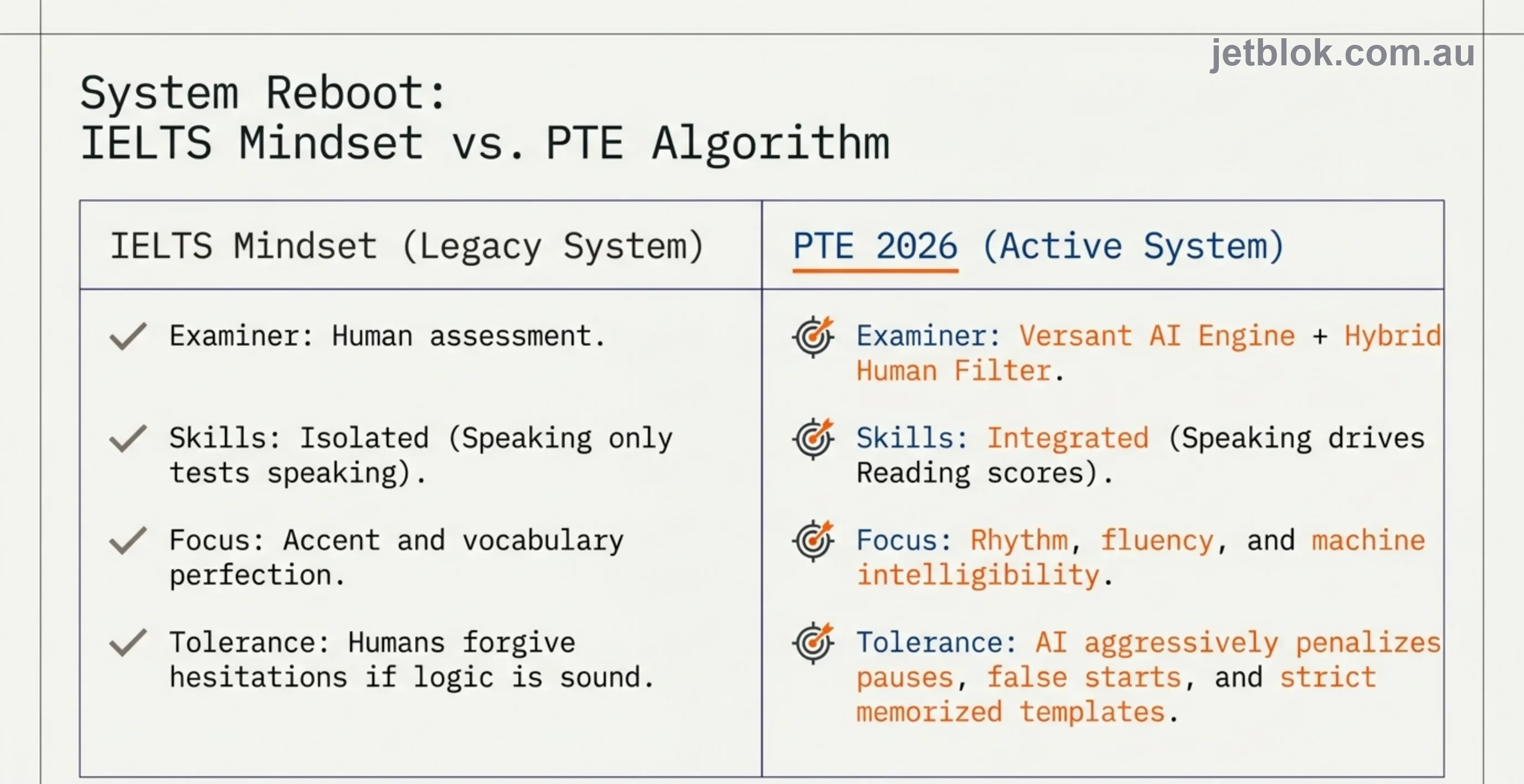
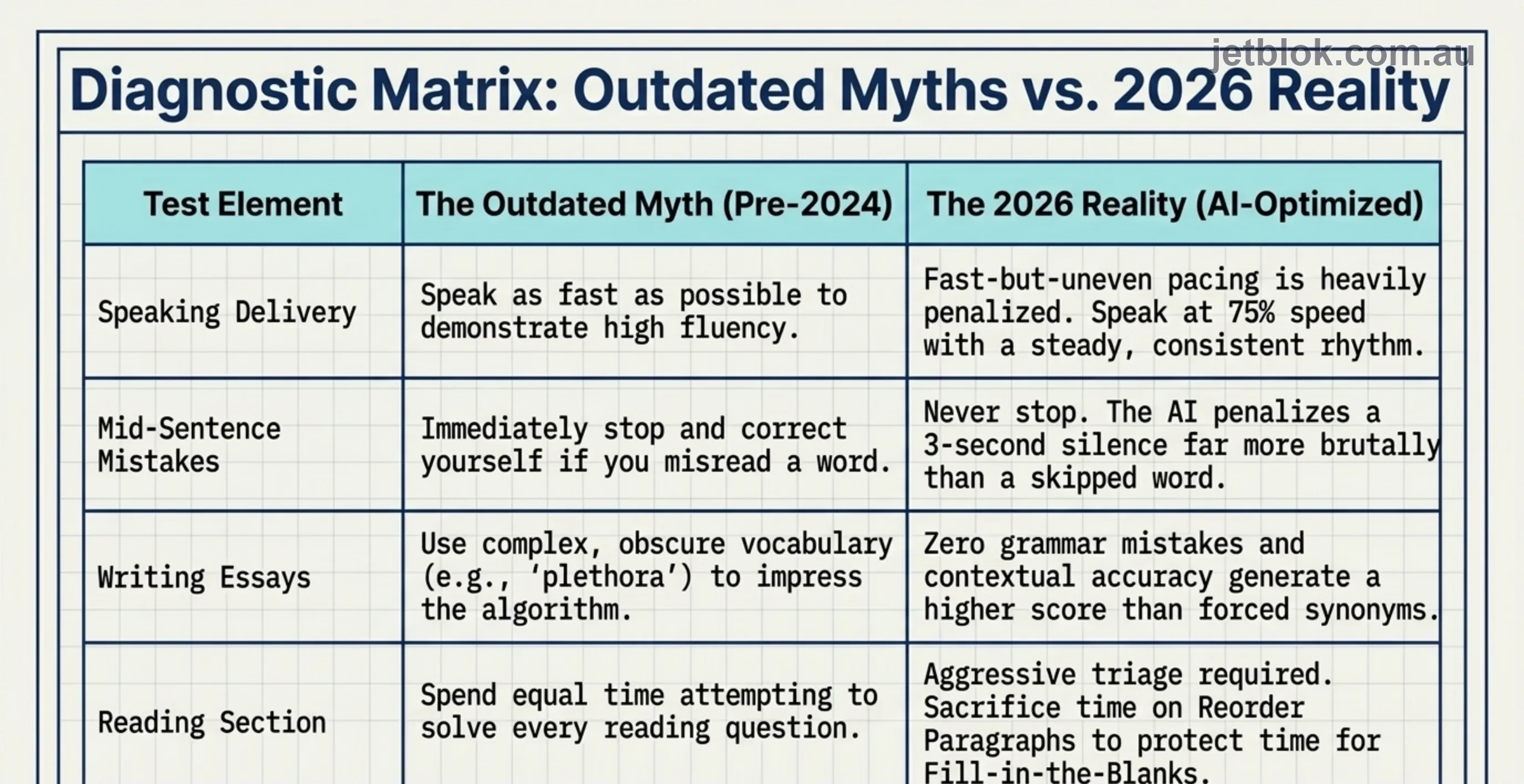
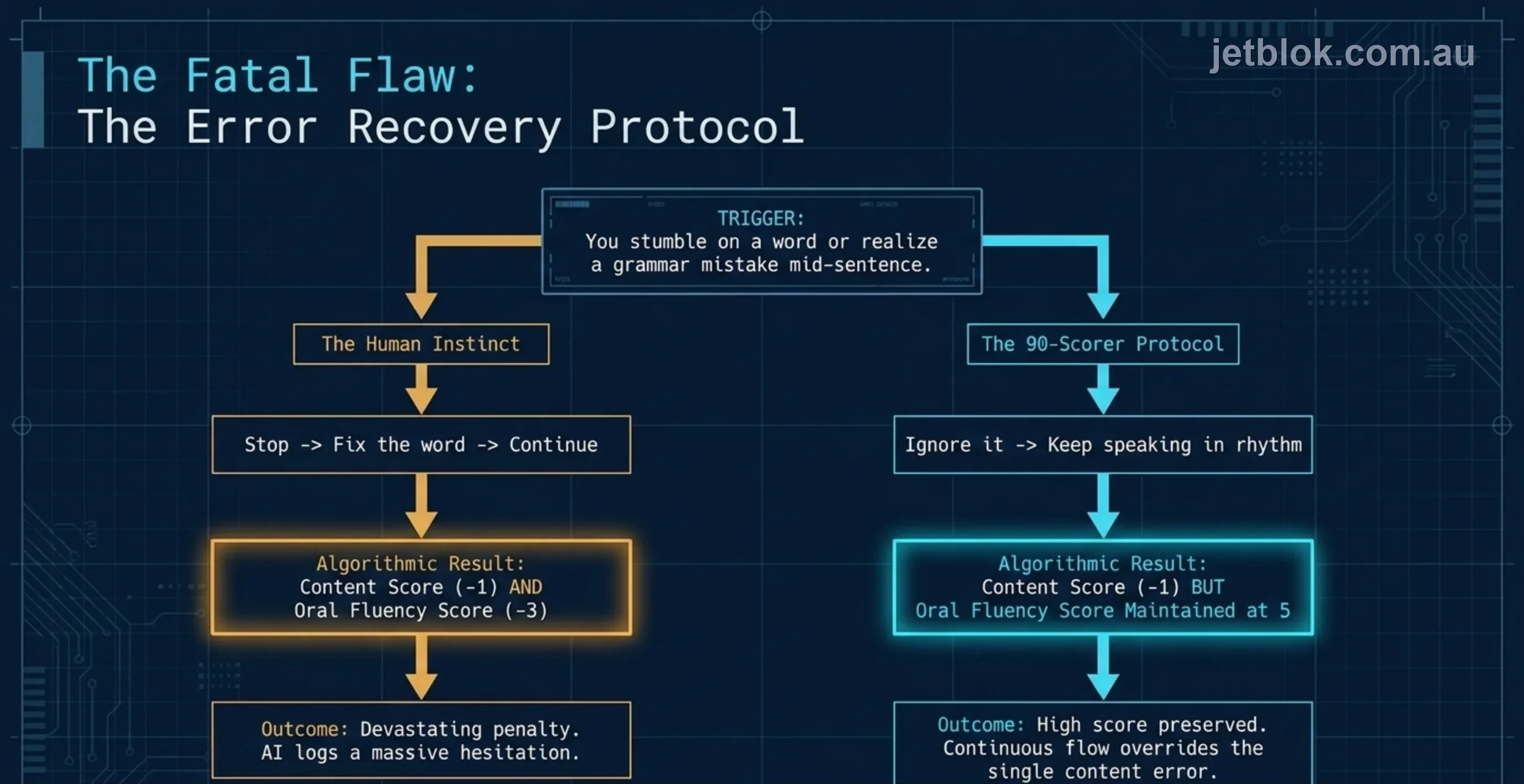
- Self-correction in speaking destroys fluency scores
- 3-second silence = instant zero for the entire speaking task
- Essay word count: under 120 or over 380 = automatic zero
- Never guess on Highlight Incorrect Words — negative marking applies
- Don't spend more than 90 seconds on Reorder Paragraphs
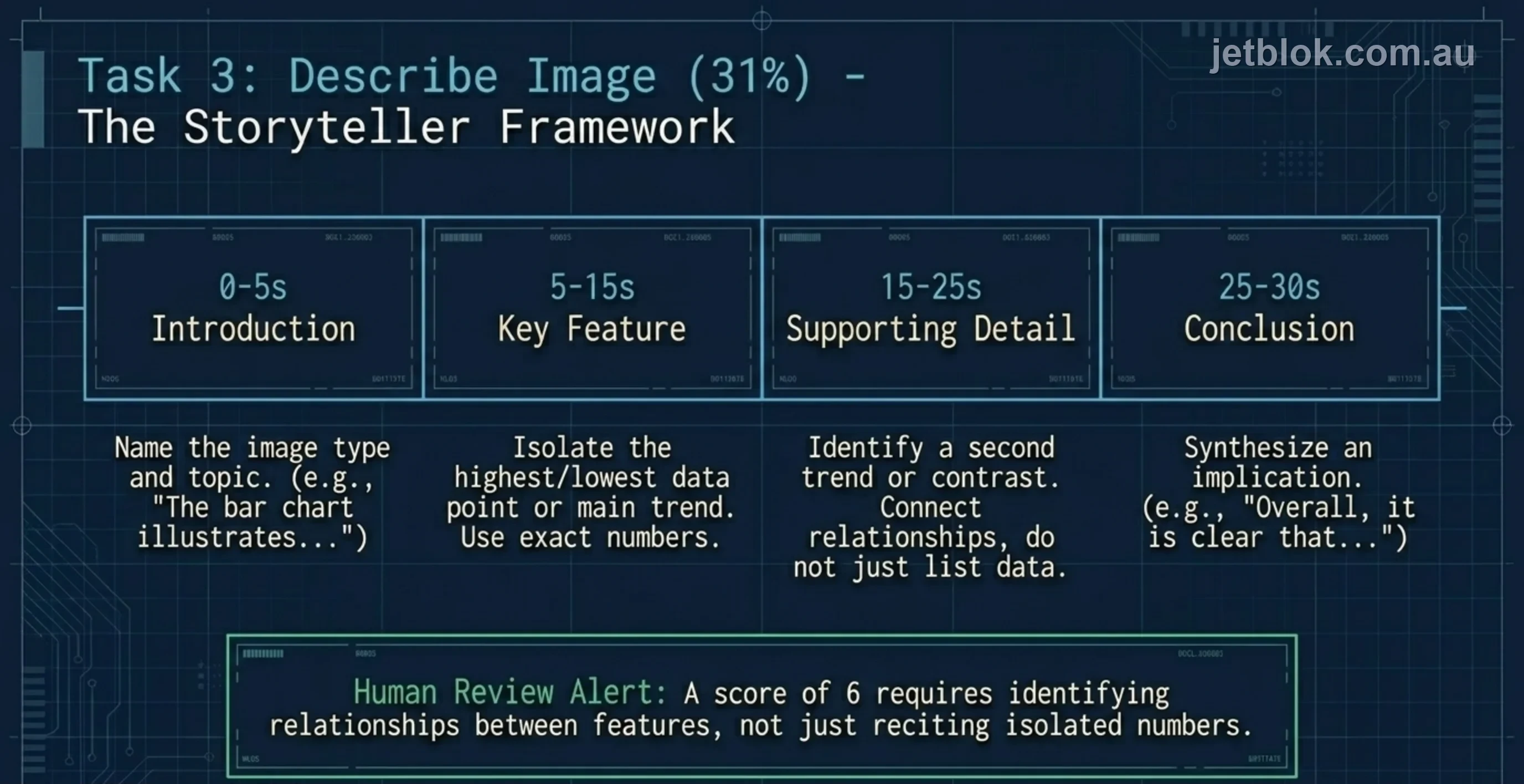
- Describe Image: trends over data points — stop listing numbers
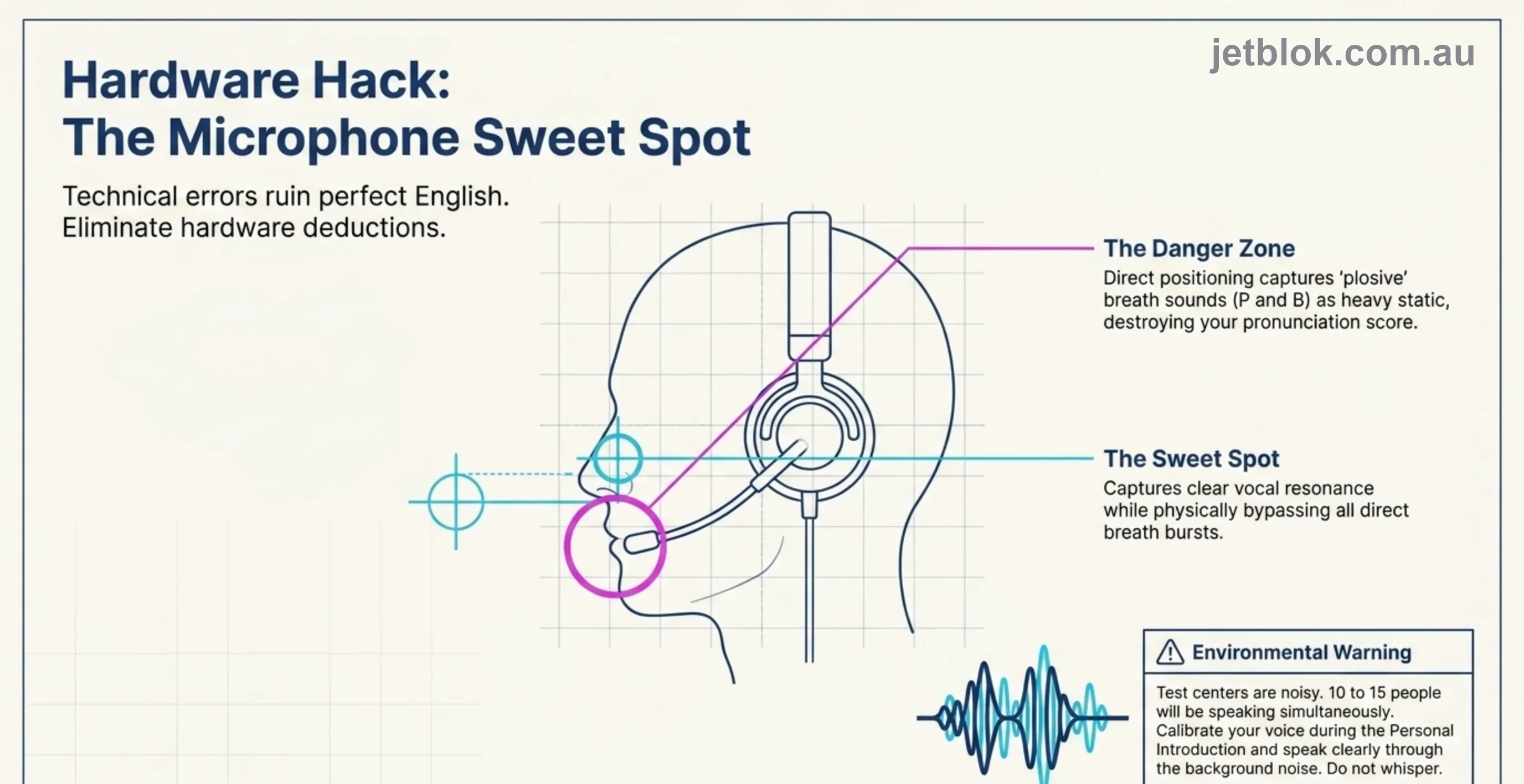
- Two-finger rule for microphone prevents breath distortion
- Adopt the "good enough" mindset — perfectionism causes panic
Mistake #1: Template Dependency
The Problem: Using rigid, widely-circulated templates for Speaking and Writing tasks.
Why It Hurts: The 2026 AI now flags "pattern uniqueness" and actively penalizes "rhythmic monotony" from memorized scripts. When thousands of test-takers use the exact same template, the AI recognizes it.
The Fix: Learn frameworks, not templates. Understand the structure (introduction → body → conclusion) but vary your language naturally. Practice expressing the same idea in multiple ways.
Mistake #2: Self-Correction in Speaking
The Problem: Stopping mid-sentence to correct a word or pronunciation.
Why It Hurts: Self-correction creates pauses that devastate your Oral Fluency score. The AI penalizes hesitation more heavily than minor errors.
The Fix: Keep moving forward. If you say "The student... the students are..." just continue. A smooth delivery with a grammatical slip scores higher than a choppy, "correct" response.
Mistake #3: The 3-Second Silence
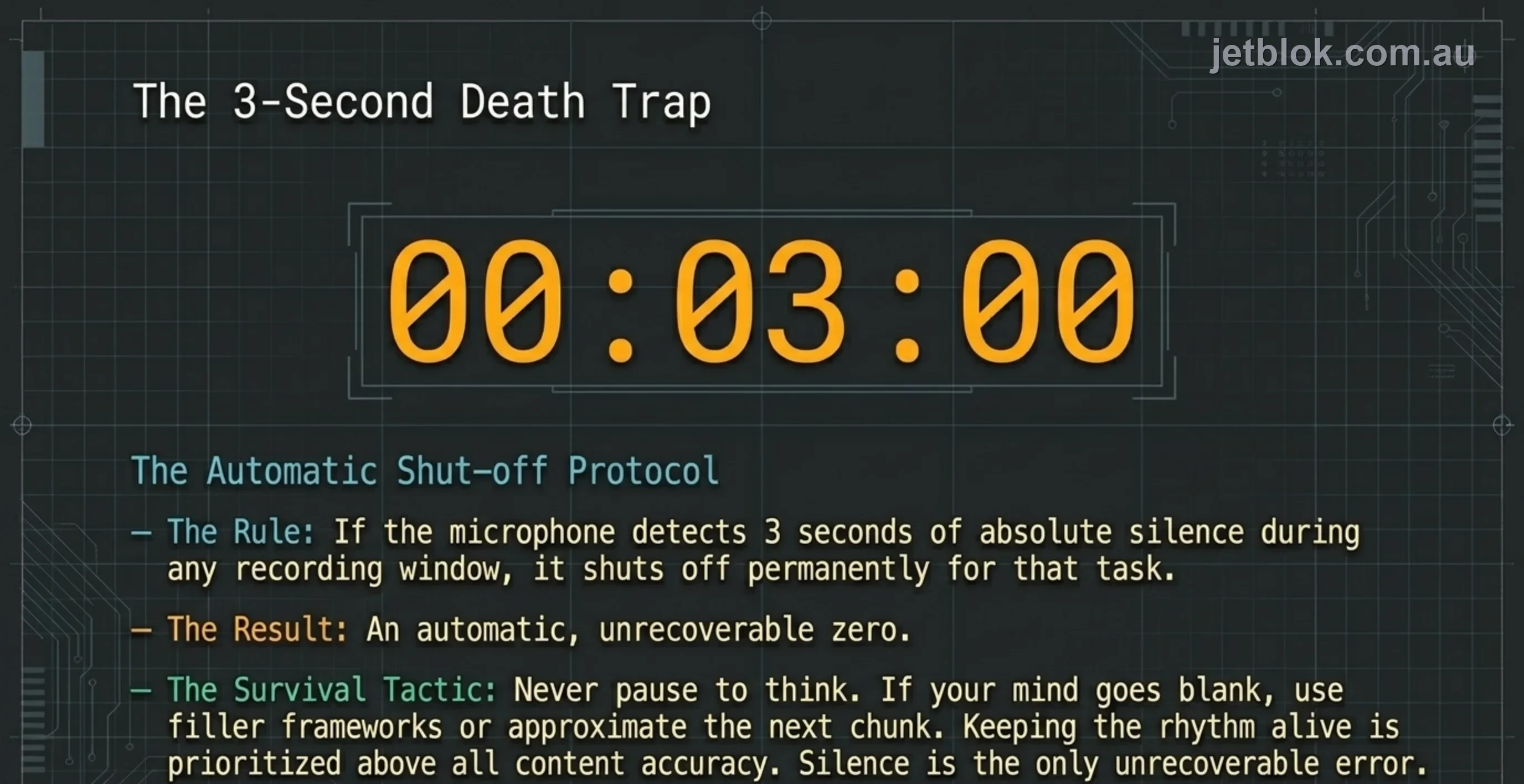
The Problem: Pausing for more than 3 seconds during a Speaking task.
Why It Hurts: The microphone automatically deactivates after 3 seconds of silence, and you receive ZERO for that entire task.
The Fix: Always have filler strategies ready: "Additionally...", "Furthermore...", "It's also worth noting that...". Keep sound coming out even if you need a moment to think.
Mistake #4: Essay Word Count Violations
The Problem: Writing fewer than 120 words or more than 380 words in an essay.
Why It Hurts: Going under 120 or over 380 results in an automatic zero score for the entire essay. It doesn't matter how brilliant your content is.
The Fix: Practice hitting 200-300 words consistently. This gives you buffer on both ends. Count words during practice until word estimation becomes second nature.
Mistake #5: SWT Word Count Errors
The Problem: Writing a Summarize Written Text response outside the 5-75 word limit.
Why It Hurts: The scoring sweet spot is 35-55 words. Going below 5 or above 75 means zero points.
The Fix: Aim for 40-50 words. Always write ONE single sentence (no periods in the middle). Use conjunctions and relative clauses to combine ideas.
Mistake #6: SST Word Count Miscounting
The Problem: Summarize Spoken Text responses at exactly 49 or 71 words.
Why It Hurts: The target is 50-70 words. Writing exactly 49 or 71 results in immediate point deduction.
The Fix: Aim for 55-65 words to give yourself buffer. Count carefully before submitting.
Mistake #7: Guessing on Highlight Incorrect Words
The Problem: Clicking words you're unsure about in the Highlight Incorrect Words task.
Why It Hurts: This task has negative marking. Every wrong click deducts from your score. Guessing can result in negative points.
The Fix: Only highlight words you're confident are wrong. If unsure, leave it. A conservative approach protects your score.
Mistake #8: Spending Too Long on Reorder Paragraphs
The Problem: Burning 5+ minutes trying to perfectly order paragraphs.
Why It Hurts: Reorder Paragraphs contributes relatively little to your score, but it steals time from Fill in the Blanks (which contributes 45% of your Reading score).
The Fix: Apply the "90-second rule" - find one logical pair, make your best guess on the rest, and move on. Protect your time for high-value FIB tasks.
Mistake #9: Reading Data Points Instead of Trends (Describe Image)
The Problem: Listing every number on a graph: "In 2010 it was 23%, in 2011 it was 24%, in 2012..."
Why It Hurts: You waste time on low-value information and often run out of time before making meaningful observations. The AI also detects this mechanical pattern.
The Fix: Describe relationships and trends: "There was a steady increase of approximately 15% over the five-year period, with the most significant growth occurring between 2013 and 2014."
Mistake #10: Poor Microphone Positioning
The Problem: Microphone too close to mouth or at wrong angle.
Why It Hurts: Breath distortion on plosive sounds (P, B, T) ruins pronunciation scoring. Background noise or breathing sounds affect fluency detection.
The Fix: Position the microphone level with your nose, two fingers' width from your face. This prevents breath distortion while maintaining clear audio capture.
Bonus: The Mindset Mistake
The Problem: Perfectionism and panic.
Why It Hurts: Test-takers who aim for perfection often freeze, self-correct, or spend too long on difficult questions. Those who panic after a mistake let it affect subsequent tasks.
The Fix: Adopt the "good enough" mindset. A score of 85 with smooth delivery beats a theoretical 90 that you never achieve because you kept stopping to correct yourself. Move forward, stay calm, trust your preparation.
Quick Reference: Score-Killing Thresholds
| Task | Automatic Zero If... |
|---|---|
| Speaking Tasks | 3+ seconds of silence |
| Essay | Under 120 or over 380 words |
| SWT | Under 5 or over 75 words |
| SST | Under 50 or over 70 words (point deduction) |
Avoid these mistakes, and you're already ahead of most test-takers. Ready to build positive habits? Check our Complete PTE 2026 Guide for comprehensive strategies.